
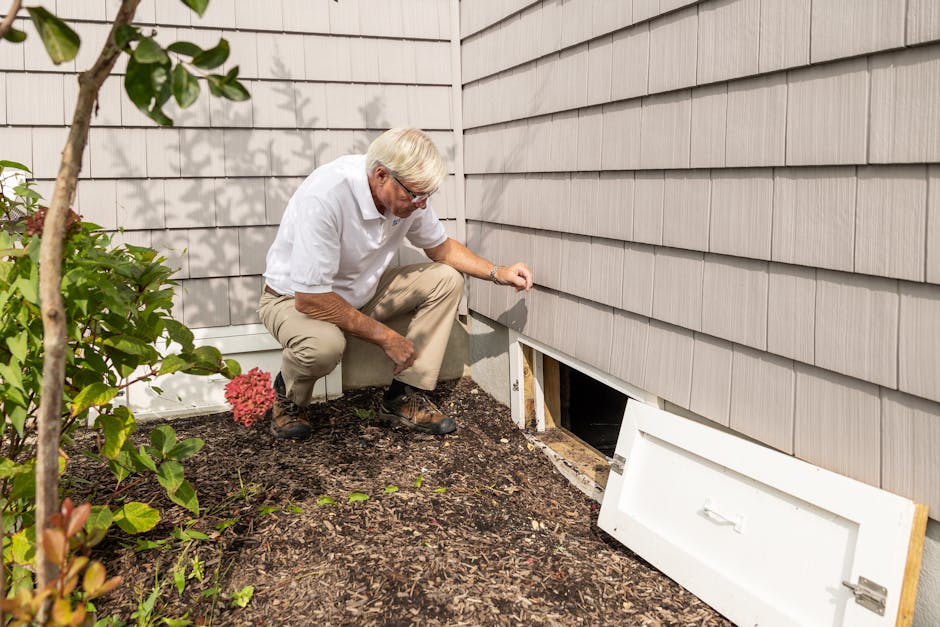
Pre-purchase building inspections in Melbourne are a smart step for home buyers giving them transparency and confidence when buying a property and the ability to make informed decisions about the property’s overall condition and suitability for their personal needs and financial circumstances. Identified issues will be recorded, prioritised and presented within the report along with recommendations for further investigation or repairs clearly noted. Purchasers can then assess the property’s suitability prior to entering into unconditional auction result or a private sale. Savvy buyers can negotiate rectification costs or final sales pricing with the seller based on its findings. A pre-purchase building inspection is an independent, non-invasive check & commentary of the property’s overall condition undertaken by an industry professional before you are committed any purchase. In a competitive market, it is one of the few truly independent pieces of information a buyer can get.
What a pre-purchase building inspection actually is
A pre-purchase inspection reports on the condition of the building at the time of the inspection. The inspector examines the areas that are safely accessible, records visible defects, and notes items that require further investigation by a specialist such as a structural engineer, plumber or electrician. The inspection is visual and non-invasive, which means the inspector does not cut openings, remove roof tiles or shift furniture to reach concealed areas.
Think of the report as a snapshot, not a guarantee. It is not a warranty, and it is not a valuation. It will not tell you what the property is worth or how the building will perform in ten years. What it does give you is a documented, independent record of condition before you commit to the purchase. You can use that record to negotiate, to set your bidding limit, or to decide to walk away.
What gets inspected
Every property is different, but a thorough inspection follows a consistent path through the building and its site. These four areas make up the core of most reports.
Structural elements and subfloor
The inspector looks at footings, stumps, bearers and joists, subfloor ventilation, and the drainage that moves water away from the base of the home. Cracks in brickwork, cornices and rendered finishes are assessed for patterns that suggest movement. Where safe access exists, the subfloor and roof space are entered, because those are usually the areas where the most useful information sits.
Roof, exterior and site
Roof coverings and flashings, gutters and downpipes, eaves and fascia, wall cladding, windows and external doors all form part of the exterior assessment. Balconies and balustrades, retaining walls, paving, surface grading, fencing and outbuildings are also reviewed. Water management is a recurring theme, since poor drainage around a Melbourne home is often the beginning of a much larger problem.
Internal rooms and wet areas
Inside, the inspector reviews ceilings, walls, floors, doors, windows and stairs, then gives closer attention to the kitchen, bathroom, laundry and toilet. Tiling, waterproofing evidence, moisture readings, mould, ventilation and cabinetry are all noted. Wet areas carry a high share of rectification cost and defect risk, so this part of the report deserves a careful read before you commit.
Timber pest activity
A timber pest inspection is a separate scope from the building inspection, which is why so many Melbourne buyers combine the two. A timber pest report looks for termite activity and damage, borers and conditions that attract pests, such as excessive moisture and timber in contact with soil. A building inspection alone will not give you that picture, so booking both at the same time is the practical choice.
AS 4349.1 and why the standard matters
AS 4349.1 is the Australian Standard covering pre-purchase inspections of residential buildings. A report prepared to this standard follows a defined scope, uses consistent language for defect significance, and clearly states what was inspected, what was not, and why. That transparency is the point. Any inspector can hand you a list of observations. An AS 4349.1 report tells you how serious each item is and where the limits of the inspection sit, so you can make a decision with your eyes open.
Ask for written confirmation that the report will be prepared to AS 4349.1 before you book. If an inspector cannot confirm the standard, keep looking. It is a basic credibility check that takes one question.
When to book your Pre-purchase inspection
Timing matters more than most buyers realise. The ideal window is once you have viewed the property and before you make an offer or register to bid.
- Private sale: Make any offers subject to a favourable inspection report. Noting that your original offer can be adjusted or withdrawn based on the final report.
- Auction: Order the inspection as soon as the contract documents are available for viewing. Noting that any offers made either side of the advertised auction date are considered to be unconditional leaving no room for withdrawal from the purchase.
- Mid-search: budget for more than one report. Melbourne buyers commonly pay for multiple inspections during a campaign, and a report that rules out the wrong property is money well spent.
- Newer homes: a pre-purchase inspection is still worth doing. It can identify defects that a pre-handover inspection would have caught, and any outstanding issues become yours once settlement is complete.
Houses, apartments and older properties
Scope shifts with property type, and it helps to know where the report will concentrate before you read it.
- Single-storey houses: subfloor and roof space access, site drainage and levels usually reveal the most.
- Double-storey and elevated homes: balconies, balustrades, stairs, upper floor framing and roof access receive extra attention.
- Apartments: the inspection is generally limited to the interior of the lot, since common property sits with the owners corporation. Ask what the report covers and what it excludes so there are no surprises.
- Period and older homes: structural movement, deteriorated timber, roof coverings and previous alterations tend to absorb more of the inspection.
Why independence, licensing and insurance matter in a pre-purchase building inspection.
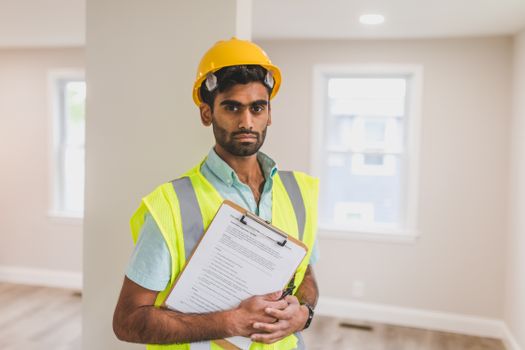
An independent inspector has no financial interest in the property and no relationship with the selling agent, so the findings are reported plainly rather than softened. Licensing and insurance matter for the same reason: a licensed builder or building inspector has the technical background to interpret what they see, and professional indemnity and public liability cover protect you if something is missed or an inspection goes wrong.
Experience counts as well. More than 35 years working on Melbourne housing stock means an inspector understands the nuances of the various construction methods used throughout the Melbourne suburbs and the issues specific to each. That pattern recognition is often what separates a useful report from a generic checklist.
Same-day reports and how to use them
In a fast market, receiving the report the same day as the inspection can be the difference between making an informed offer and missing out entirely. When the report arrives, read the summary first, then the detail. Prioritise items marked as major defects, safety issues, or requiring further investigation by a specialist.
If the report lists significant defects, you have options. You can renegotiate the price, ask the vendor to rectify items before settlement, obtain specialist quotes to establish the real cost, or walk away. Take the report to your conveyancer or solicitor so the findings can be weighed alongside the contract terms.
What inspections cost in Melbourne
Costs vary with the property’s size, age, access and whether a timber pest check is included. Published Melbourne price guides commonly list pre-purchase building inspections somewhere around $300 to $600, with pest inspections often quoted separately and combined packages priced accordingly. Buyers frequently pay for several reports while searching. Treat any advertised figure as a starting point and confirm the quote in writing, including what the report covers, before you book.

Book a pre-purchase building inspection in Melbourne
Building Services by Delta provides independent, licensed and insured pre-purchase building inspections across Melbourne and Victoria. Reports are prepared to AS 4349.1, timber pest inspections are available, and same-day reporting can be arranged. With more than 35 years of building experience behind every inspection, the goal is straightforward: give you clear, defensible information before you sign or bid.
Whether the property is a first home, an investment unit or a prestige home, our highly competitive pricing found on our website, will make the decision to proceed an easy one. This one small investment prior to purchase can make all the difference.
Frequently Asked Questions
How long does a pre-purchase inspection take?
The time depends on the size, age and accessibility of the property. A single-storey home with clear subfloor and roof access is quicker to assess than a large double-storey home with limited access or complex additions. The inspection is completed in one visit, and same-day reports can be arranged so you are not waiting while the selling campaign moves on.
Do I need a separate timber pest inspection?
Usually Yes, timber pest inspection is typically a distinct scope from the building inspection. A building report focuses on condition and defects, while a pest report looks for termite activity, damage, borers and the conditions that attract them. At Building Services by Delta we combine the two inspections in one visit and should any pest activity be noted we would provide guidance as to any specialised pest services would be recommended. Many Melbourne buyers book both together so the findings can be read side by side before making an offer.
Is a pre-purchase inspection the same as a pre-handover inspection?
No. A pre-purchase inspection assesses an existing property before you buy it. A pre-handover inspection applies to a newly completed build and checks that the work meets Australian standards and tolerances before the keys change hands. If you are buying a recently finished home, a pre-purchase inspection can still identify defects and unfinished items.
What if the report finds defects?
Defects are common, particularly in older Melbourne homes, and finding them is the point of the exercise. You can use the report to renegotiate the price, ask the vendor to complete repairs before settlement, obtain specialist quotes, or decide the property is not for you. Your conveyancer or solicitor can advise on how to raise the findings.
How much does a pre-purchase inspection cost in Melbourne?
Published Melbourne price guides commonly list building inspections somewhere around $300 to $600, with timber pest checks quoted separately and combined packages priced above a standalone report. Size, age, access and travel all influence the quote. Confirm the fee and the report scope in writing before booking so you know exactly what is included.

